
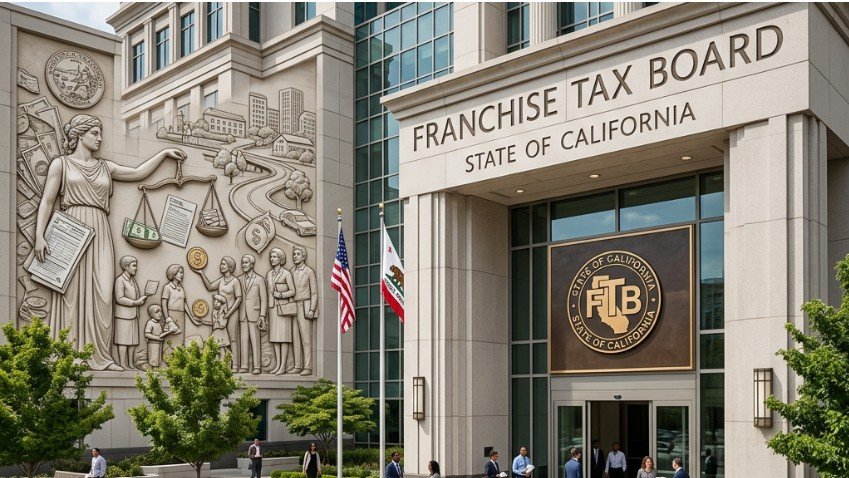
Why The FTB Is Not The IRS: What California Taxpayers Need to Know Before Collections Strike
When most taxpayers receive a tax bill they can’t pay, they instinctively think of the IRS. They envision payment plans, flexible settlements, and a government agency that moves at a glacial pace.
If you live or do business in California, that assumption is a dangerous mistake.
The Franchise Tax Board (FTB)—California’s personal and corporate income tax enforcement agency—is widely considered one of the most aggressive tax collection agencies in the nation. Operating with broad statutory power, strict deadlines, and a distinct lack of federal leniency, the FTB can turn a manageable state tax debt into a financial crisis almost overnight.
If you or your business are facing FTB collections, understanding how the agency operates—and why professional representation is critical—can mean the difference between financial recovery and immediate account seizure.
1. The FTB Collection Arsenal: How State Enforcement Works
Unlike private collection agencies or civil creditors, the FTB does not need a court order or judge’s permission to enforce collection actions. Once a tax liability becomes final, the agency can deploy several enforcement mechanisms:
Earnings Withholding Order for Taxes (EWOT): The FTB can issue a wage garnishment order directly to your employer, seizing up to 25% of your disposable earnings from every paycheck until the debt is cleared.
Orders to Withhold (Bank Levies): The FTB can issue a bank levy that sweeps 100% of available funds in your bank account up to the full amount owed. Unlike federal bank levies, which include a 21-day holding period before funds are remitted, state levies execute swiftly.
Interception of Funds: The FTB frequently intercepts federal tax refunds, California state refunds, lottery winnings, and payments owed to you by other state agencies.
State Tax Liens: A Notice of State Tax Lien is filed against your real and personal property, effectively freezing your credit and preventing you from refinancing or selling assets without satisfying the state debt first.
2. Common Myths: Why Federal Tax Logic Fails in California
Many taxpayers try to handle FTB collections on their own, assuming California follows IRS rules. That logic often backfires due to three key differences:
Myth #1: “I can get a First-Time Penalty Abatement.”
The Reality: The IRS offers an administrative policy known as First-Time Abate (FTA) for taxpayers with clean filing histories. California personal income tax laws do not recognize First-Time Abate. Penalty abatement with the FTB requires proving legal Reasonable Cause under California Law or proving statutory reliance on written FTB advice (R&TC § 21012).
Myth #2: “I have plenty of time to respond.”
The Reality: The FTB operates on strict statutory windows. For example, if you receive a Notice of Proposed Assessment (NPA), you have exactly 60 days to file a formal protest. If you miss that deadline by even one day, the assessment becomes final, and the FTB moves straight into involuntary collections.
Myth #3: “An Offer in Compromise (OIC) is an easy way out.”
The Reality: The FTB’s Offer in Compromise program evaluates cases under strict standards. Unlike the IRS, the FTB requires a lump-sum payment upon approval, and they often require a 5-year Collateral Agreement—meaning if your income rises significantly over the next five years, you must pay a percentage of those increased earnings back to the state.
3. How Professional Tax Representation Protects Your Interests
Facing the FTB without professional help is like walking into court without a lawyer. An experienced Enrolled Agent (EA) or tax controversy representative acts as a shield between you and the state, protecting your rights in several key ways:
Immediate Interposition & Collection Stays
Once a Form 3520 (Power of Attorney) is filed, the FTB is legally required to communicate through your representative. Your representative can negotiate a temporary hold on collection actions, halting pending bank levies or wage garnishments while a permanent solution is structured.
Building Legally Sound Penalty Abatement Claims
Instead of submitting vague hardship letters, a professional drafts formal arguments tailored to California Statutes and Case Law, demonstrating why circumstances met the legal standard of Reasonable Cause.
Negotiating Realistic Financial Relief
Whether structuring an Installment Agreement, establishing Currently Not Collectible / Hardship status, or navigating an Offer in Compromise, a representative ensures your financial disclosures (FTB Form 3561) accurately reflect actual allowable expenses under FTB collection standards—preventing the state from demanding unmanageable monthly payments.
Escalation to the Taxpayers’ Rights Advocate
When FTB collection officers act erroneously or create undue financial hardship, an experienced practitioner knows how to formally petition the FTB Taxpayers’ Rights Advocate to intervene and order emergency relief.
The Bottom Line
The Franchise Tax Board is equipped with vast legal authority and strict procedural rules designed to collect state revenue efficiently. Attempting to navigate California tax enforcement without knowing the state-specific rules leaves taxpayers vulnerable to sudden wage garnishments, frozen bank accounts, and severe financial distress.
If you have received a collection notice, Notice of Proposed Assessment, or demand for payment from the FTB, seeking qualified professional representation immediately is the single most effective step you can take to protect your income, your assets, and your peace of mind.